
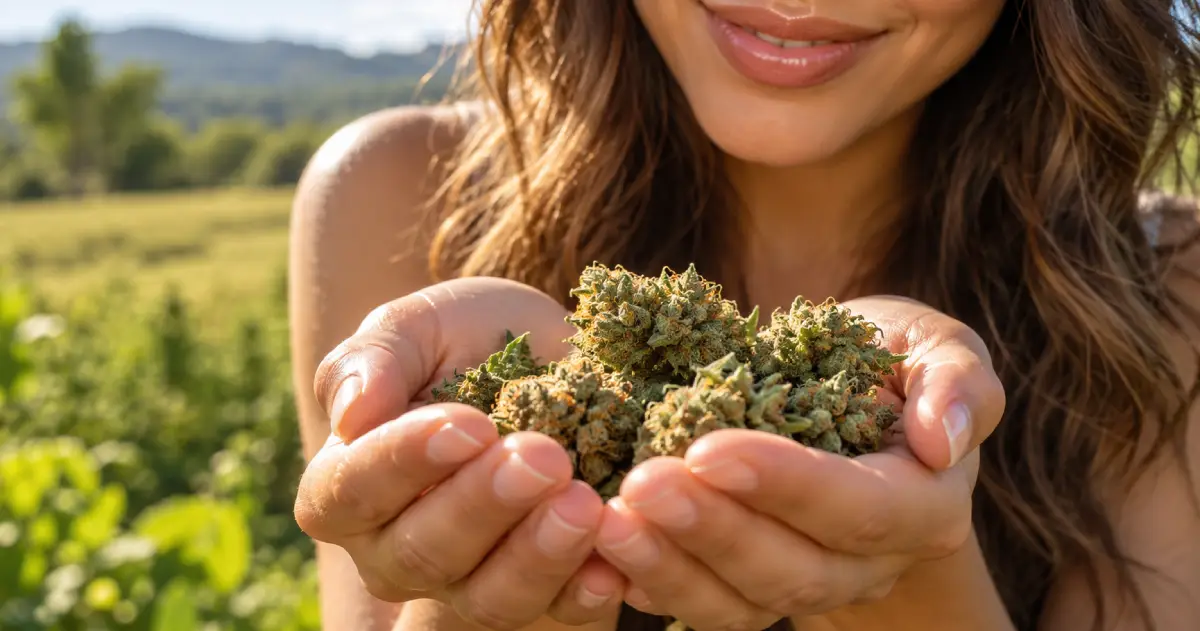
What Is Sativa? Plant Characteristics and the Limits of Strain Labels
If you’ve ever browsed cannabis products, you’ve probably noticed three familiar labels: sativa, indica, and hybrid. Sativa strains are commonly described as energizing, uplifting, and suitable for daytime use. But how much can those descriptions actually tell you about the cannabis you’re choosing?
Sativa is a traditional cannabis classification associated with tall plants, narrow leaves, and relatively long flowering periods. In modern dispensaries, however, the term often describes an expected experience rather than a scientifically verified plant type.
That distinction matters. Two cannabis products labeled sativa can contain different cannabinoids, produce different aromas, and affect you in noticeably different ways.
Understanding what sativa really means helps you look beyond marketing descriptions and make more informed decisions.
In this guide, you’ll learn about the origins of Cannabis sativa, its physical characteristics, how it compares with indica, what researchers have discovered about strain labels, and why cannabinoid and terpene profiles deserve closer attention.
What Is Sativa?
Sativa is a term used to describe cannabis plants traditionally associated with tall, slender growth, narrow leaflets, and longer flowering periods. Today, the word also appears on cannabis products marketed as producing stimulating or uplifting experiences.
The scientific name Cannabis sativa L. has a broader meaning than the dispensary label “sativa.”
In botanical classification, Cannabis sativa can refer to the cannabis species more generally, depending on the taxonomic system being used. Some researchers recognize additional species or subspecies, while others treat cannabis as one highly variable species.
In retail settings, the word sativa is used much more loosely.
A product described as sativa might be:
- A cultivar with characteristics historically associated with narrow-leaf cannabis plants.
- A modern hybrid cannabis strain with some ancestry associated with sativa varieties.
- A cannabis flower marketed for an energetic or cerebral experience.
- A product classified according to breeder descriptions rather than laboratory-confirmed genetics.
A cultivar is a cultivated plant variety selected for particular characteristics. Although consumers often call cannabis varieties “strains,” cultivar is generally the more precise horticultural term.
This distinction is important because a sativa label does not guarantee a particular chemical composition, THC concentration, or psychoactive effect.
The Origins and History of Cannabis Sativa
The word sativa comes from Latin and means “cultivated.” Its scientific history stretches back centuries, long before modern dispensaries began using it to categorize cannabis products.
Early Botanical Classification
In 1753, Swedish botanist Carl Linnaeus formally described Cannabis sativa in his botanical classification work.
At the time, cannabis was widely recognized for its agricultural applications, including fiber production, seeds, and other plant materials.
In 1785, French naturalist Jean-Baptiste Lamarck described Cannabis indica, drawing distinctions between cannabis plants based on characteristics observed in material associated with India.
These early classifications helped establish the terminology still used in cannabis discussions today.
However, the boundaries between cannabis groups have remained scientifically debated.
Geographic Origins and Adaptation
Cannabis has a complex history involving domestication, migration, cultivation, and human-directed selection.
Plants historically associated with narrow-leaf sativa types are often linked to warmer regions, including parts of Southeast Asia, Africa, and Central America.
Over generations, cannabis populations developed different growth characteristics in response to environmental conditions and selective breeding.
For example, plants adapted to long growing seasons may develop different flowering patterns from plants originating in regions with shorter growing seasons.
These geographic associations are useful for understanding cannabis history, but they should not be treated as proof of a modern cultivar’s genetic ancestry.
How Modern Breeding Changed Cannabis
Modern cannabis breeding has complicated the traditional distinction between sativa and indica cannabis strains.
Breeders have repeatedly crossed different cannabis populations to select for characteristics such as:
- Cannabinoid production.
- Aroma and terpene composition.
- Plant height and branching.
- Flowering time.
- Resistance to environmental stress.
- Flower appearance and yield.
As a result, many commercially available cannabis cultivars have mixed ancestry.
A product marketed as sativa may possess some characteristics associated with traditional indica plants, and vice versa.
This is one reason botanical appearance and retail classification do not always match.
What Does a Sativa Plant Look Like?
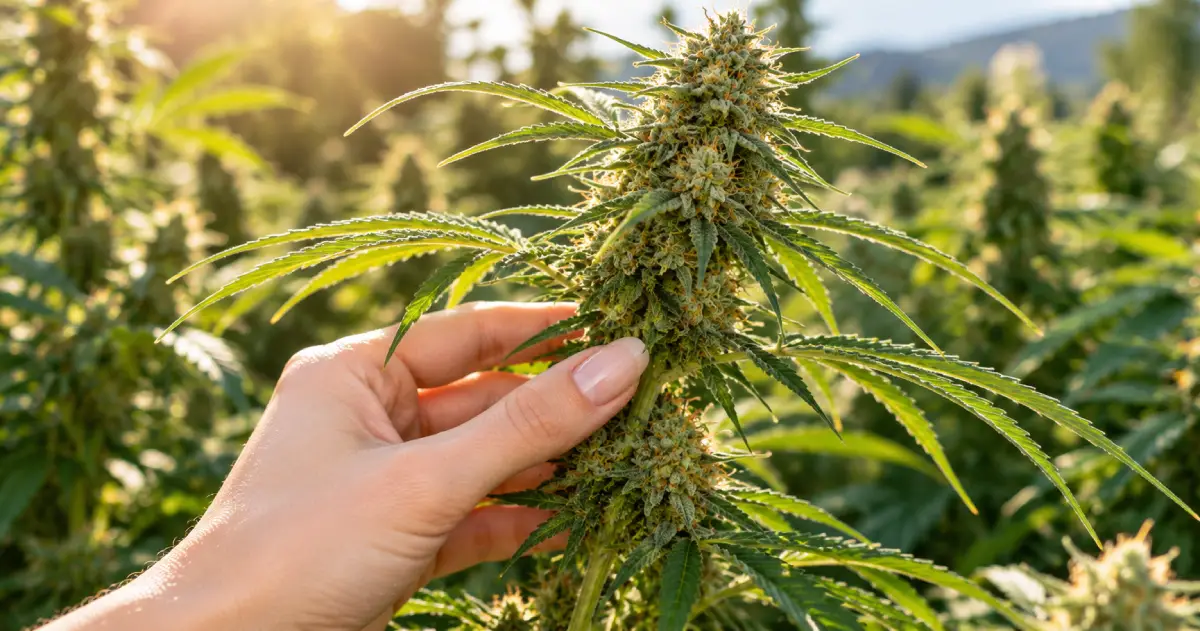
Traditional sativa-type cannabis plants are generally recognized by their tall stature, relatively narrow leaflets, open branching, and longer flowering periods.
These characteristics are tendencies rather than universal rules.
Tall, Slender Growth
Sativa-type plants are traditionally described as taller and more elongated than broad-leaf indica-type plants.
Their branches may grow farther apart, creating a relatively open structure.
However, plant height varies substantially depending on genetics, light exposure, growing conditions, and cultivation techniques.
A compact cannabis plant is not necessarily indica, just as a tall cannabis plant is not automatically sativa.
Narrow, Finger-Like Leaves
One of the most recognizable traditional sativa characteristics is its relatively narrow leaflets.
Cannabis leaves are typically palmately compound, meaning several leaflets extend from a common point.
Traditional narrow-leaf types often have elongated leaflets, while broad-leaf types tend to have wider ones.
Leaf shape can help describe plant morphology, but it cannot reliably identify a product’s cannabinoid composition or predict its effects.
Longer Flowering Periods
Traditional sativa-type cultivars are frequently associated with longer flowering periods than many broad-leaf cultivars.
Flowering is the reproductive growth stage when cannabis plants develop flowers.
The actual flowering duration depends on the cultivar, environmental conditions, and cultivation methods.
Modern hybrids may display considerably different flowering patterns from historical sativa populations.
More Open Flower Structure
Some traditional sativa-type plants develop flowers with a comparatively open or airy structure.
This characteristic has sometimes been associated with adaptation to humid growing environments.
However, flower density varies widely among modern cultivars.
Dense flowers do not automatically indicate indica genetics, and loosely structured flowers do not establish sativa ancestry.
Traditional Sativa Plant Characteristics at a Glance
| Characteristic | Traditional Sativa-Type Tendency |
| Plant height | Relatively tall and slender |
| Leaves | Narrow, elongated leaflets |
| Branching | Often more open and spaced |
| Flowering | Frequently longer |
| Flower structure | Sometimes less compact |
| Historical associations | Warmer climates and longer growing seasons |
| Modern reliability | Variable because of hybridization |
These descriptions are most useful when discussing plant morphology rather than predicting the experience of consuming cannabis.
Sativa vs. Indica: What Is the Difference?
Sativa and indica are commonly presented as two distinct types of cannabis, but their differences are more complicated than retail descriptions suggest.
Historically, these terms were associated with physical characteristics and plant ancestry.
Today, they are frequently used to suggest how a cannabis product might make someone feel.
Here’s how the traditional descriptions compare.
| Feature | Sativa | Indica |
| Traditional plant structure | Taller, narrower | Shorter, bushier |
| Leaf appearance | Narrower leaflets | Broader leaflets |
| Flowering tendency | Often longer | Often shorter |
| Commonly marketed effects | Uplifting, stimulating | Relaxing, calming |
| Typical retail positioning | Daytime | Evening |
| Scientific ability to predict effects | Limited | Limited |
The differences in plant structure are historically meaningful. The advertised differences in psychoactive effects are much less reliable.
For example, a product labeled sativa may make one person feel alert while another experiences anxiety or drowsiness.
Likewise, a product labeled indica does not necessarily produce sedation.
The important distinction is that plant classification and human response are not interchangeable concepts.
Modern cannabis research increasingly emphasizes chemical composition and individual variability rather than relying exclusively on these traditional labels.
For a broader comparison, explore Gas Club’s educational guide, Indica vs. Sativa vs. Hybrid Flower: What’s the Difference?
What Are Sativa Effects?
Sativa cannabis products are commonly marketed as producing energizing, uplifting, or mentally stimulating effects.
You may encounter descriptions such as “daytime strain,” “creative high,” or “cerebral experience.”
These descriptions reflect consumer reports and established marketing conventions, not guaranteed pharmacological outcomes.
Commonly Reported Experiences
Consumers sometimes associate sativa-labeled products with:
- Increased feelings of energy or alertness.
- Changes in mood or sociability.
- Heightened sensory perception.
- Altered thought patterns.
- Feelings of creativity or mental stimulation.
These experiences are subjective and cannot be predicted reliably from the sativa label alone.
Feeling more creative also does not necessarily mean performing better on tasks requiring concentration, judgment, or memory.
THC can impair cognitive and motor performance even when someone feels alert or mentally stimulated.
Can Sativa Make You Feel Anxious?
Yes. Cannabis products labeled sativa can produce anxiety, nervousness, or paranoia, particularly when they contain substantial amounts of THC.
THC, or tetrahydrocannabinol, is the principal intoxicating cannabinoid in cannabis.
The likelihood and intensity of unwanted effects can depend on the amount consumed, individual sensitivity, previous cannabis exposure, and surrounding circumstances.
Someone who experiences anxiety after using one sativa-labeled product may respond differently to another product with a different chemical composition.
However, changing the strain label alone does not eliminate the possibility of adverse effects.
Can Sativa Make You Sleepy?
Yes. Despite its reputation for stimulating effects, sativa-labeled cannabis can cause drowsiness.
The response may depend on THC exposure, other compounds, tolerance, and individual physiology.
This is why the familiar description of sativa as “daytime weed” should be treated as a general marketing convention rather than a reliable scientific prediction.
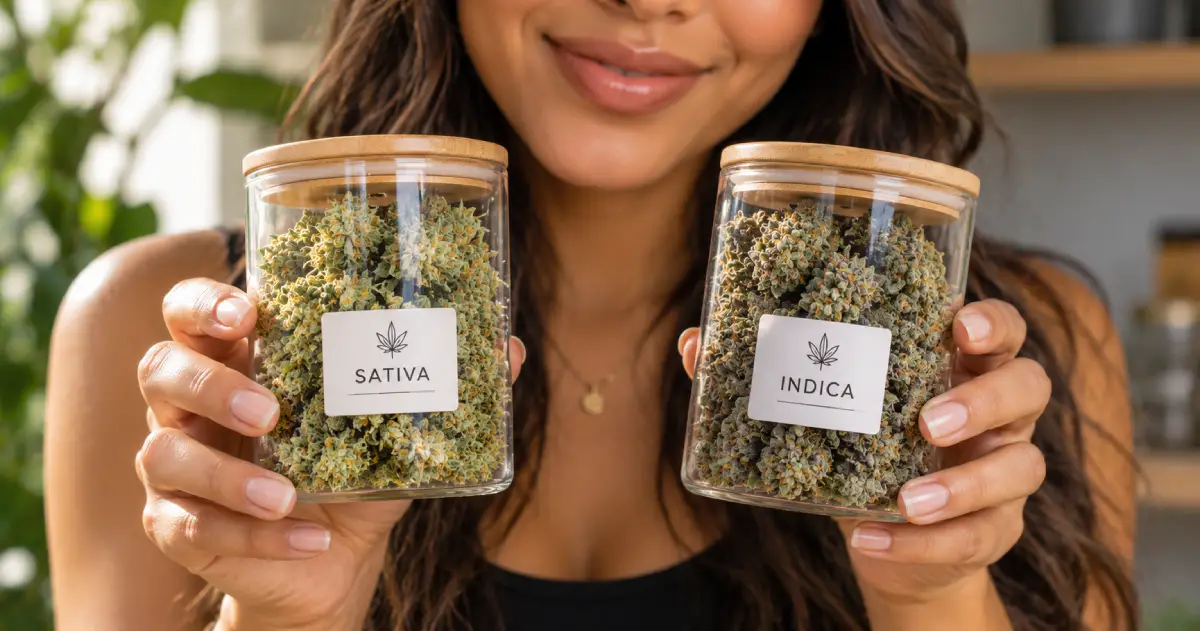
Why Sativa and Indica Labels Have Scientific Limitations
One of the most important developments in cannabis research is the growing recognition that traditional strain labels do not consistently represent underlying genetics or chemistry.
A major study published in Nature Plants in 2021 examined cannabis samples using genetic and chemical analyses.
Researchers found that cannabis samples labeled sativa and indica were not clearly separated by their overall genetic profiles.
Instead, the labels showed associations with certain terpene-related genetic variations and chemical characteristics.
The findings suggest that commercial classifications may reflect selected aromas and historical conventions more than distinct genetic groups.
This does not mean every sativa or indica description is meaningless. It means the label alone provides incomplete information.
Strain Names Are Not Standardized Chemical Identities
Two products sold under the same strain name may differ in their cannabinoid and terpene composition.
A 2022 study examining nearly 90,000 commercial cannabis flower samples across six US states identified substantial chemical diversity and limitations in conventional labeling.
That research supports a more detailed approach to classifying cannabis using measured chemical profiles.
In practical terms, you should not assume that two products with the same strain name are chemically identical.
Why the Labels Remain Popular
Sativa, indica, and hybrid remain widely used because they offer a familiar starting point for navigating cannabis products.
They are simple, recognizable, and deeply established in cannabis culture.
However, convenience does not make them scientifically precise.
The most useful approach is to treat these labels as introductory descriptions, then examine the actual product information before drawing conclusions.
What Actually Determines the Effects of Cannabis?
Rather than relying exclusively on whether a product is called sativa or indica, researchers examine its chemical composition and how those compounds interact with the human body.
Several factors influence the experience.
Cannabinoids: THC, CBD, and Other Compounds
Cannabinoids are chemical compounds that interact with the body’s endocannabinoid system, a signaling network involved in regulating various physiological processes.
Two of the best-known cannabinoids are THC and CBD.
THC is responsible for many of cannabis’s intoxicating effects, including changes in perception, mood, memory, and coordination.
CBD, or cannabidiol, is generally considered non-intoxicating, although it can have biological effects and interact with medications.
Cannabis also contains other cannabinoids, including CBG and CBN, which remain subjects of ongoing research.
The concentration and combination of cannabinoids provide more meaningful information than a broad strain label, although chemical testing still cannot predict every individual’s response.
Terpenes: The Compounds Behind Cannabis Aromas
Terpenes are aromatic compounds found in cannabis and many other plants.
They contribute to recognizable scents, including citrus, pine, floral, herbal, and earthy aromas.
Common cannabis terpenes include:
| Terpene | Common Aroma Associations |
| Limonene | Citrus, lemon, orange |
| Pinene | Pine, fresh herbs |
| Myrcene | Earthy, musky, herbal |
| Linalool | Floral, lavender |
| Caryophyllene | Peppery, spicy |
| Terpinolene | Herbal, woody, floral |
Terpenes are sometimes promoted as reliable predictors of relaxation, alertness, or other experiences.
However, evidence supporting specific psychoactive effects from individual terpenes at concentrations normally found in cannabis remains limited.
Laboratory findings and preliminary studies should not be interpreted as proof that a particular terpene will produce a predictable effect in humans.
What Is the Entourage Effect?
The entourage effect is a hypothesis suggesting that cannabinoids, terpenes, and other cannabis compounds may interact to influence the plant’s overall biological effects.
Some interactions are biologically plausible, and certain combinations have been investigated experimentally.
However, the broader entourage effect remains incompletely established, particularly when it comes to predicting the effects of specific commercial cannabis products.
A terpene-rich flower is not automatically more effective, safer, or more desirable than another product.
The important lesson is that cannabis chemistry is complex, and individual compounds should not be evaluated using exaggerated marketing claims.
Individual Biology and Tolerance
Even when two people consume the same cannabis product, their experiences can differ.
Factors include:
- Previous exposure and tolerance.
- Individual sensitivity to THC.
- Metabolism and physiological differences.
- Amount consumed and method of consumption.
- Mood, expectations, and surrounding environment.
- Interactions with medications or other substances.
These differences help explain why a strain described as uplifting might feel uncomfortable or sedating to someone else.
How to Evaluate Sativa Cannabis Beyond the Label
If you’re comparing cannabis flower products, you can make a more informed assessment by examining several pieces of information together.
1. Review the Cannabinoid Profile
Look for available information about THC, CBD, and other measured cannabinoids.
THC percentage can help describe potency, but it does not tell you everything about the experience.
A higher THC percentage does not guarantee a better product or a more enjoyable outcome.
For someone unfamiliar with cannabis or sensitive to THC, higher-potency products may increase the likelihood of unwanted effects.
2. Examine Available Terpene Information
A terpene profile can help you understand a flower’s aromatic characteristics.
For example, a product with prominent limonene may have citrus-like notes, while one containing substantial pinene may smell more herbal or pine-like.
Use this information primarily to understand aroma and chemical diversity rather than assuming it guarantees a specific psychological effect.
3. Check Laboratory Testing Information
A certificate of analysis (COA) is a laboratory report that may document cannabinoid concentrations, terpene measurements, and contaminant screening.
Depending on the jurisdiction and testing requirements, reports may include information about pesticides, microbial contamination, heavy metals, or residual solvents.
When reviewing a COA, check whether it identifies the relevant product batch and whether the laboratory and testing information are clearly presented.
Testing can improve transparency, but it does not guarantee that a product is harmless.
4. Consider the Product Format
Cannabis flower, concentrates, vapes, and edibles can differ substantially in potency, exposure, onset, and duration.
For example, inhaled cannabis generally produces effects more quickly than swallowed cannabis products.
Edibles may have delayed effects, which can increase the risk of consuming more before the initial dose takes effect.
The method of consumption may therefore matter more to your experience than whether the product is marketed as sativa.
5. Understand the Risks
Cannabis use carries potential health risks, including impaired coordination, anxiety, and cannabis use disorder.
Smoking cannabis can harm the lungs, while high-THC products may increase the likelihood of certain adverse effects.
Cannabis should not be used before driving or operating machinery, regardless of whether the product is described as energizing.
People who are pregnant or breastfeeding, adolescents, and individuals with certain medical or psychiatric conditions face particular concerns. Anyone taking medications should discuss potential interactions with a qualified healthcare professional.
For additional information, see the CDC’s overview of cannabis health effects.
Popular Sativa Strains and Why Their Names Can Be Misleading
Several familiar cannabis cultivars are commonly marketed as sativa or sativa-dominant.
Examples include Sour Diesel, Jack Herer, Durban Poison, and Super Lemon Haze.
These names can help consumers recognize established product lines and discuss aroma preferences.
However, the names alone do not establish a standardized chemical identity.
A product called Sour Diesel from one producer may have a different cannabinoid or terpene profile from a product with the same name sold elsewhere.
Similarly, two products described as sativa-dominant may differ considerably in potency.
Instead of assuming every cultivar bearing a familiar name will provide an identical experience, compare its actual product details.
This approach is particularly helpful when shopping online, where you cannot inspect a product directly.
Is Sativa the Same as Hemp?
No. Sativa and hemp are not interchangeable terms.
Hemp is a legal and agricultural classification used for certain cannabis plants and materials, rather than a synonym for narrow-leaf sativa products.
In the United States, federal hemp definitions have historically relied on THC concentration thresholds, with additional statutory changes affecting how certain hemp products are classified.
Cannabis plants grown for fiber, seeds, or cannabinoids may all belong to Cannabis sativa under commonly used botanical classifications.
The difference between hemp and marijuana in US law is therefore not determined by whether a plant has narrow or broad leaves.
Federal and state laws also distinguish among products based on composition, intended use, and other regulatory factors.
Because cannabis and hemp regulations can change, you should verify the rules applicable to your state and the specific product.
Why Understanding Sativa Matters for Cannabis Consumers
Understanding sativa helps you move beyond oversimplified descriptions and evaluate cannabis products more critically.
Traditional classifications remain useful for discussing plant history, morphology, and breeding.
However, they are less reliable when used to promise particular experiences.
For example, someone seeking a citrus-forward flower may benefit more from comparing aroma descriptions and terpene testing than from choosing any product labeled sativa.
Likewise, someone concerned about THC-related anxiety should pay attention to cannabinoid concentration and personal sensitivity rather than assuming a different strain category eliminates the risk.
A more informative cannabis product description combines several elements: cultivar identity, cannabinoid profile, terpene information, relevant laboratory results, and clear explanations of what remains uncertain.
This creates a more complete picture than a single classification can provide.
Frequently Asked Questions About Sativa
What Is Sativa Weed?
Sativa weed is cannabis marketed under the traditional sativa classification, historically associated with tall plants, narrow leaves, and longer flowering periods. Modern sativa-labeled products often contain hybrid genetics, so the label does not reliably identify their chemical composition or predict their effects.
Does Sativa Give You Energy?
Sativa strains are commonly marketed as energizing, but scientific evidence does not establish that all sativa-labeled cannabis produces stimulation. Individual responses depend on cannabinoid exposure, personal sensitivity, tolerance, and other factors. Some people experience drowsiness or anxiety instead.
What Is the Difference Between Sativa and Indica?
Traditional sativa plants are generally described as taller with narrower leaves, while traditional indica types are often shorter with broader leaves. In modern cannabis retail, the labels are also used to describe expected effects, but these effects are not reliably predicted by the classification alone.
Is Sativa Stronger Than Indica?
Not necessarily. Neither label guarantees higher THC concentration or greater potency. Products in either category can contain widely varying cannabinoid concentrations. Laboratory testing provides more useful potency information than the sativa or indica label.
Are All Sativa Strains Hybrids?
Not every historically recognized sativa-type cannabis population is necessarily a hybrid, but many modern commercial cultivars have mixed ancestry because of extensive crossbreeding. A product marketed as pure sativa does not automatically have genetically verified ancestry.
Can You Identify Sativa by Looking at Cannabis Buds?
Not reliably. Traditional sativa-type plants may have recognizable growth characteristics, but harvested flower appearance alone cannot establish genetic identity, cannabinoid composition, or expected effects. Modern breeding has produced considerable overlap among cannabis cultivars.
Conclusion: What Is Sativa, and How Much Does the Label Really Tell You?
So, what is sativa?
Historically, sativa describes cannabis plants associated with tall growth, narrow leaflets, and relatively long flowering periods. In today’s cannabis market, the word is also used to describe products commonly associated with uplifting or stimulating experiences.
However, modern research demonstrates that sativa and indica labels do not consistently represent distinct genetic or chemical categories.
That means the most informative way to understand a cannabis product is to consider its cannabinoid profile, terpene composition, laboratory testing, and the limitations of predicting individual responses.
Sativa remains an important part of cannabis history and consumer terminology, but it should be treated as a starting point rather than a scientific guarantee.
If you’d like to continue learning about cannabis varieties, visit Gas Club, your destination for educational resources and quality cannabis products. Whether you’re exploring different strains or searching for the best marijuana dispensary in the US, Gas Club offers a convenient way to discover cannabis flower and make more informed choices based on your preferences.
References
Watts, S., et al. (2021). Cannabis Labelling Is Associated With Genetic Variation in Terpene Synthase Genes. Nature Plants, 7, 1330–1334.
The Phytochemical Diversity of Commercial Cannabis in the United States. (2022). Peer-reviewed research examining cannabinoid and terpene diversity across commercial cannabis samples.
Centers for Disease Control and Prevention. Cannabis Health Effects.
Centers for Disease Control and Prevention. Cannabis and Mental Health.
Centers for Disease Control and Prevention. Cannabis and Driving.
National Academies of Sciences, Engineering, and Medicine. (2017). The Health Effects of Cannabis and Cannabinoids: The Current State of Evidence and Recommendations for Research.
About author


Add comment